Room Acoustics, Modes & Reverb Lab
The room is the final stage of every sound system. Model a classroom, theatre, studio, or gym; calculate Sabine reverberation time (RT60); switch into Room Modes to see standing-wave nodes and corner antinodes; and balance porous absorbers with QRD diffusers to make speech intelligible.
1. Build the room
2. Find the room nodes
Node
A fixed location where one standing-wave mode has minimum pressure variation. At that frequency, bass may seem unusually weak—but the location is not silent at every frequency.
Antinode
A location where that mode has maximum pressure variation. The same bass note may sound much louder here, especially near rigid room boundaries.
Room mode
A resonance formed when reflected waves repeatedly return in phase. Axial modes involve two opposing surfaces; tangential and oblique modes involve four or six.
f(nₓ,nᵧ,nz) = c / 2 × √[(nₓ/L)² + (nᵧ/W)² + (nz/H)²] The top-down canvas selects the nearest horizontal mode, where nz = 0. Floor-to-ceiling modes still exist, but require a vertical section to see their nodes.
- Move the source onto a dark node. That mode is excited less strongly.
- Move the listener between a node and bright antinode. Compare the predicted pressure.
- Change room dimensions. Larger distances between walls produce lower modal frequencies.
3. Fix the gymnasium
A principal must deliver an emergency announcement in a hard, empty gym. You may add curtains, acoustic panels, and an audience, but each treatment has a cost.
4. Field measurement
- Stand safely near the room center and make one sharp clap or use an approved impulse.
- Record it from a fixed position. Observe how quickly the decay disappears into the noise floor.
- Repeat with curtains open/closed and with the class present/absent.
- Explain why audience members are acoustic treatment—even when they are quiet.
Safety: never create dangerously loud impulses, and never aim a loudspeaker directly at someone at close range.
5. Real rooms, real fixes
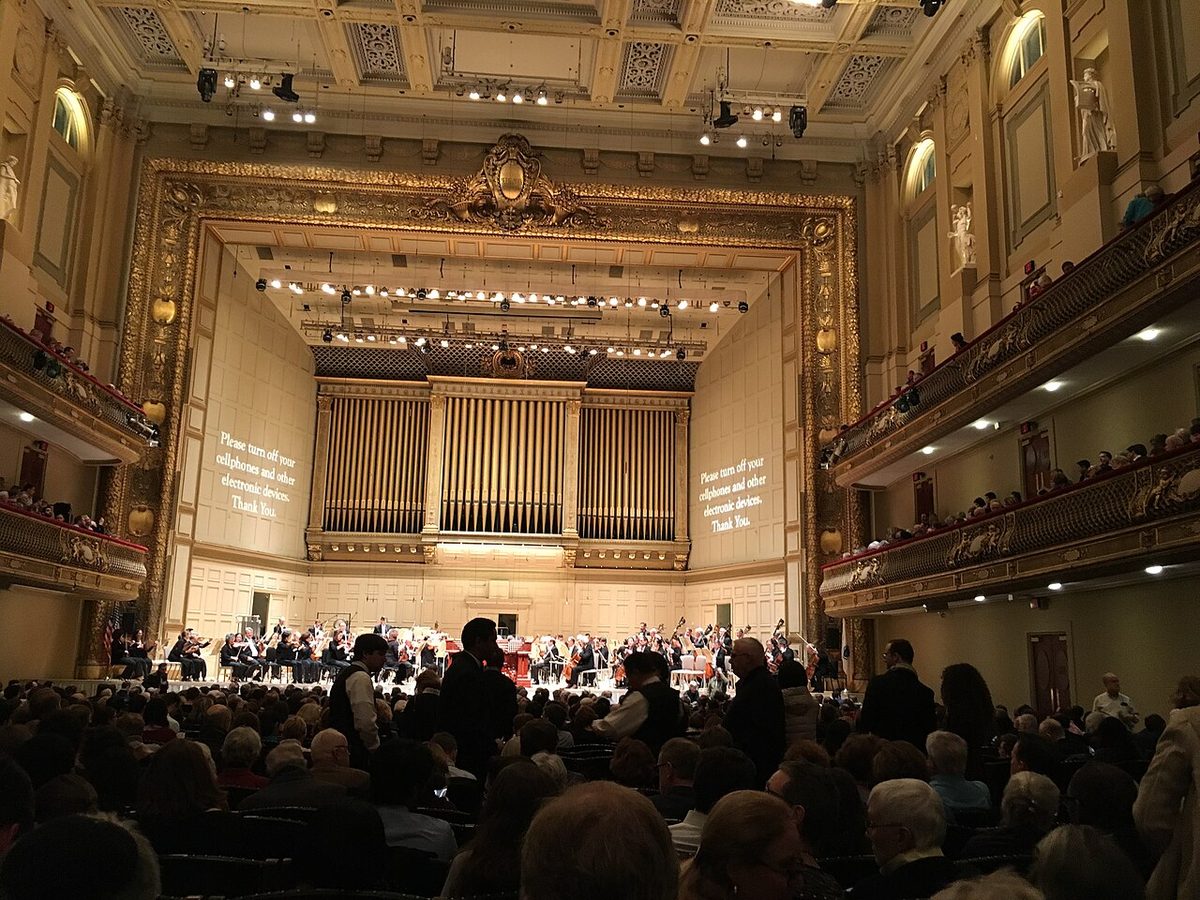
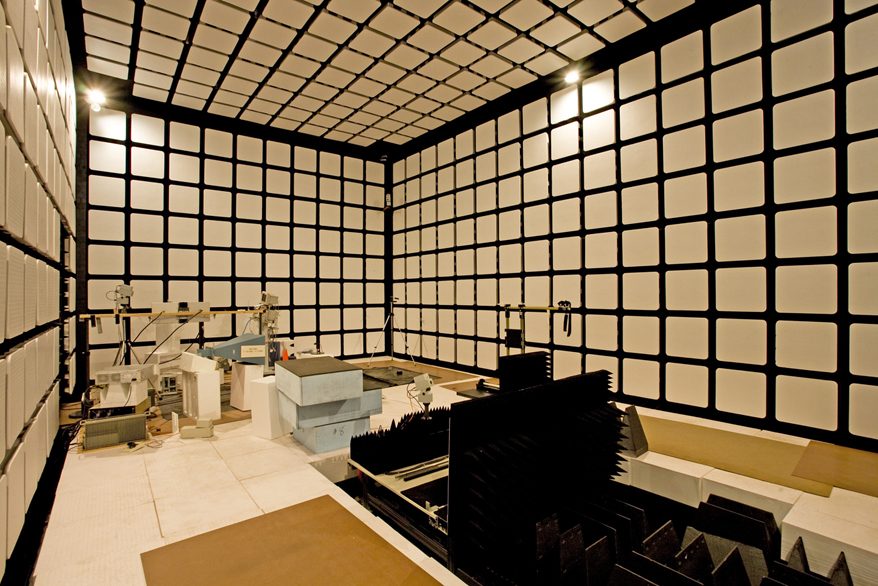
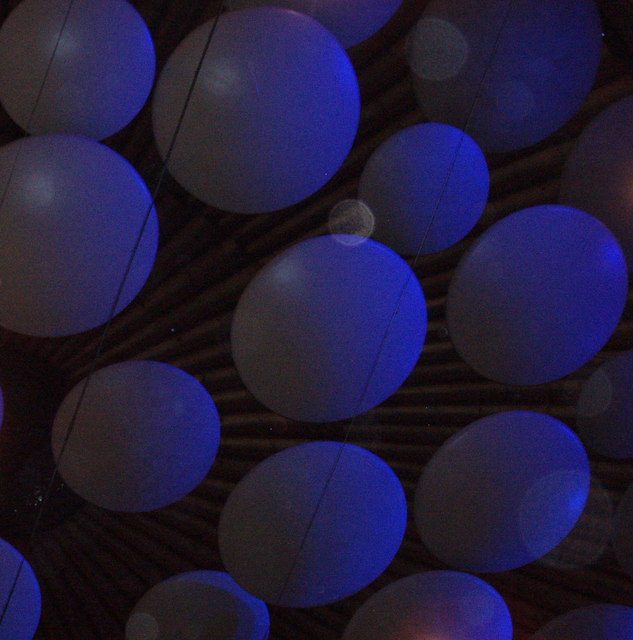
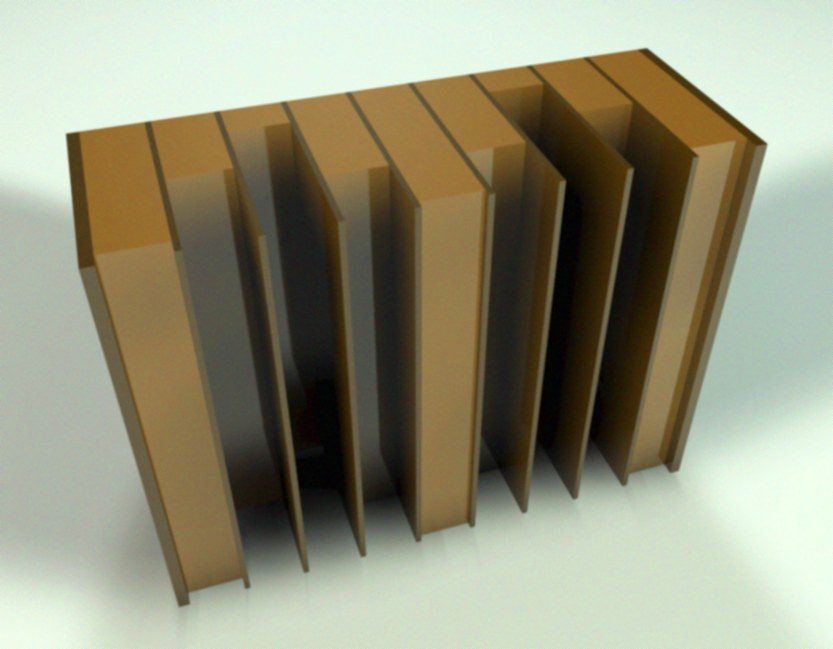
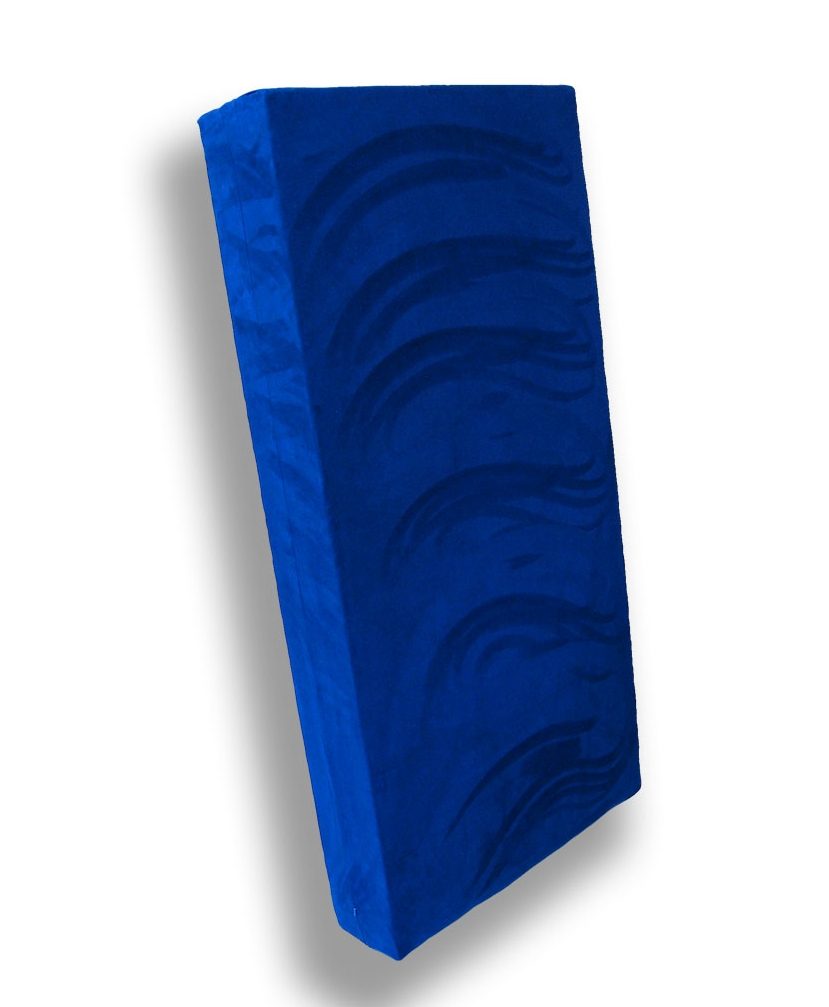
Every control in this lab has a physical version. For each photo, decide whether it changes the room’s volume, its absorption, or the direction of its reflections. Click a photo to enlarge it.