← Lessons Life Sciences · Grades 4–8

Entomology · Observation · Classification

The science of insects

Meet the tiny engineers, pollinators, recyclers, hunters, and master builders all around us. Learn to read an insect's body like a scientist, follow its life cycle, and use evidence to identify mystery arthropods.

45–60 minutesInteractive labNo specimens required
Living specimen · idle behavior
CARABIDAE · Generalized ground beetle · Order Coleoptera · Interactive living exhibit

Start with a scientist's definition

What counts as an insect?

3

Body regions

Every adult insect has a head, thorax, and abdomen.

6

Jointed legs

All six attach to the thorax. Eight legs means it is not an insect.

1

Pair of antennae

These sensory organs detect chemicals, touch, vibration, and more.

Words matter: In everyday speech, “bug” can mean any small crawling animal. In science, insects are one class within the arthropods—and a true bug is specifically an insect in the order Hemiptera, such as a cicada, aphid, or stink bug.

How we learned to see the small

A Brief History of Entomology

Insects were mostly ignored by early science—too small, too numerous, seemingly beneath notice. It took centuries of patient, obsessive observers to prove otherwise.
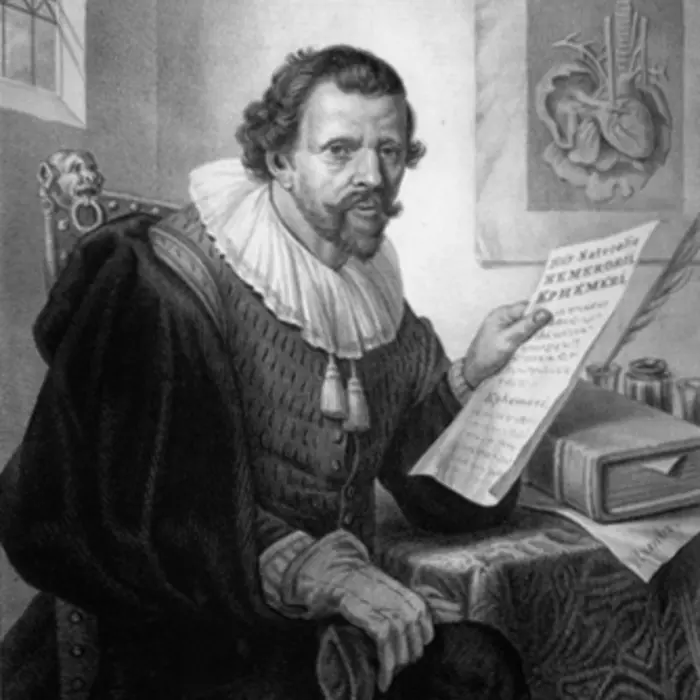
Portrait of Jan Swammerdam
Jan Swammerdam (1660s), whose microscope dissections proved a caterpillar, pupa, and butterfly are one animal in three bodies. Public domain, via Wikimedia Commons.
1660s

Swammerdam dissects the impossible

Jan Swammerdam used a self-built microscope to dissect insects smaller than a grain of rice, and was the first to show that a caterpillar, pupa, and butterfly are the same animal in three bodies—not three separate creatures, as many still believed.
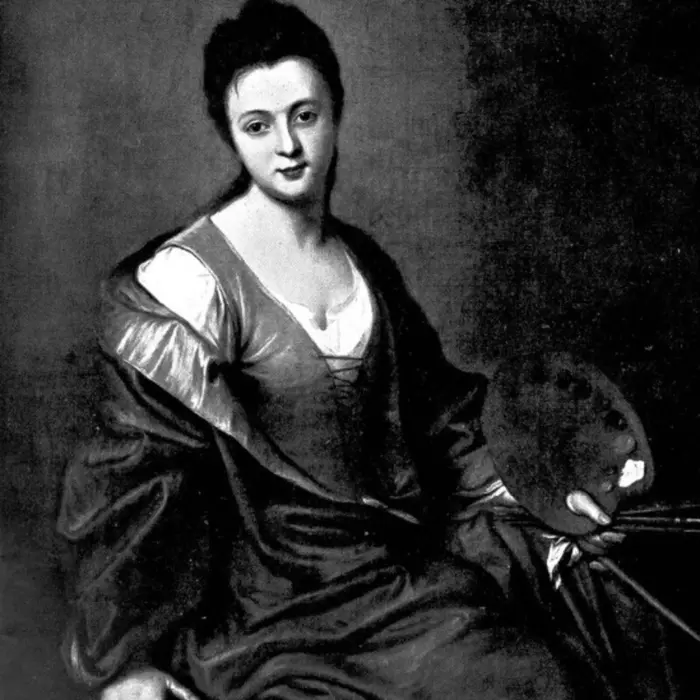
Portrait of Maria Sibylla Merian
Maria Sibylla Merian (1699–1705), who sailed to Surinam to observe and illustrate insects in their living habitats. CC BY-SA 4.0, via Wikimedia Commons.
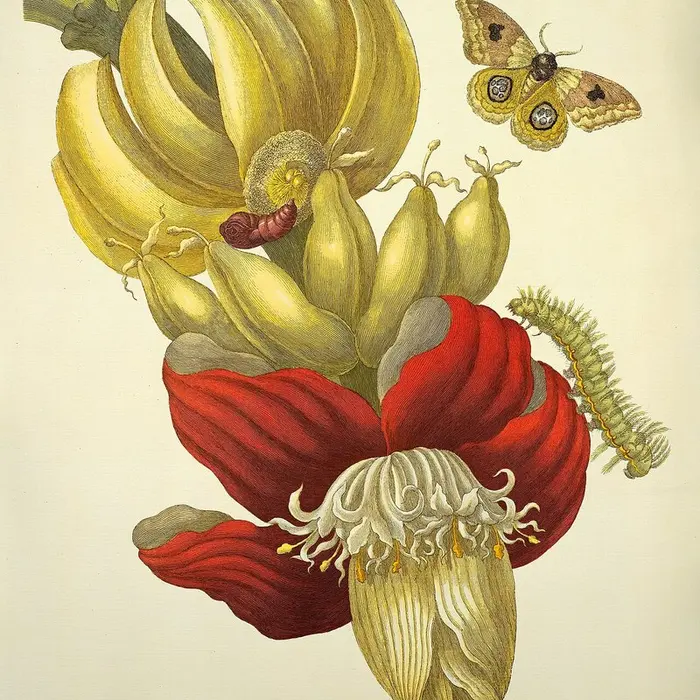
Maria Sibylla Merian's 1705 illustration of a banana plant with a moth and caterpillar life stages
Merian's 1705 plate pairing a banana plant with the moth's full life cycle — the invention of ecological illustration. Public domain, 1705, via Wikimedia Commons.
1699 – 1705

Merian paints insects as they live

At 52, Maria Sibylla Merian sailed to the Dutch colony of Surinam to observe insects in their actual habitat instead of as dead, pinned specimens. Her book paired each insect with the exact plant it fed on and every stage of its life cycle—inventing the field of ecological illustration in the process.
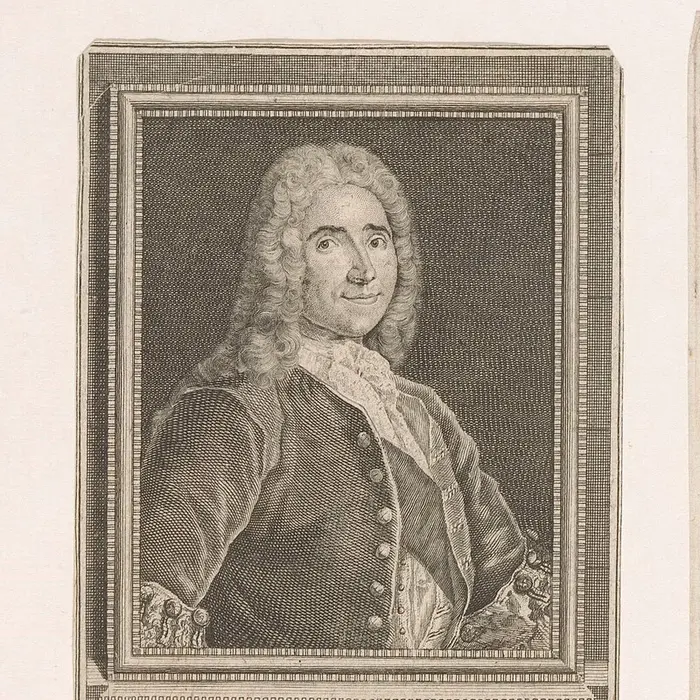
Engraved portrait of René Antoine Ferchault de Réaumur
René Antoine Ferchault de Réaumur (1730s), who reared insects in captivity to record behavior across six illustrated volumes. Rijksmuseum, CC0, via Wikimedia Commons.
1730s

Réaumur builds a library of insect lives

René Antoine Ferchault de Réaumur spent decades rearing insects in captivity just to record what they did all day—six illustrated volumes of behavior, feeding, and life cycles that made careful, repeated observation the standard for studying living insects.
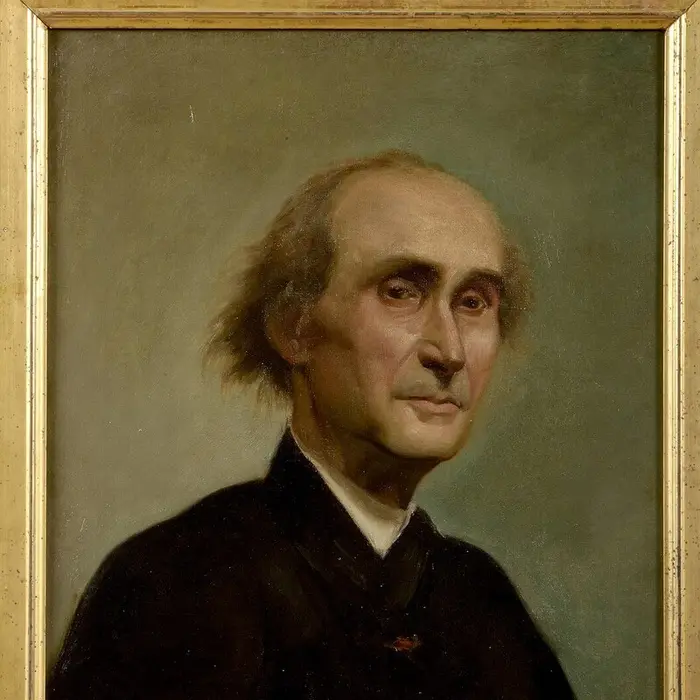
Portrait of Jean-Henri Fabre
Jean-Henri Fabre (1879–1907), the schoolteacher whose decades of garden observation founded modern behavioral entomology. CC BY-SA 4.0, via Wikimedia Commons.
1879 – 1907

Fabre watches, and keeps watching

Jean-Henri Fabre, a poor schoolteacher with no laboratory, spent his life in a small French garden watching wasps, beetles, and crickets behave in the wild rather than under a pin. His ten-volume Souvenirs Entomologiques earned him the nickname "the insects' Homer" and helped found modern behavioral entomology.

The pattern across all four: every leap in entomology came from someone willing to look closer and longer than anyone had before—exactly what the ID Lab further down this page asks you to practice.

Structure → function

An insect is a three-part machine

HEADTHORAXABDOMEN
01

Head: sensory center with eyes, antennae, brain, and specialized mouthparts.

02

Thorax: movement center; all six legs and any wings connect here.

03

Abdomen: contains much of the digestive, respiratory, and reproductive systems.

04

Exoskeleton: a tough outer covering that supports, protects, and reduces water loss.

Scanning electron micrograph of the compound eye of a German wasp showing hexagonal ommatidia facets and interfacetal hairs
Scanning Electron Micrograph Compound eye ommatidia (Vespula germanica): High-magnification SEM showing the thousands of individual hexagonal optical units (ommatidia) that compose an insect's compound eye. Each ommatidium possesses its own cornea and photoreceptors, creating a mosaic image optimized for detecting rapid movement. Photo: SecretDisc (CC BY 2.5), via Wikimedia Commons.
Collage showing progressive magnification of a peacock butterfly wing from macroscopic view down to microscopic chitin scales and nanoridges
Multi-Scale Micrograph Wing scale hierarchy (Aglais io): Stepping from the macroscopic Peacock butterfly down to 200×, 1000×, and 5000× SEM magnification reveals that insect wings are tiled with overlapping microscopic chitin scales. Fine nanometer-scale ridges produce structural color through light interference. Photo: SecretDisc / Howcheng / Michael Apel (CC BY-SA 3.0), via Wikimedia Commons.

Living collection · Change over time

The Metamorphosis Exhibit

Compare two ways an insect body can grow. Follow each illuminated specimen from egg to reproductive adult.

Gallery A · Complete Metamorphosis

A beetle rebuilds its body through four visibly different stages.

Holometabolous
1 · EggEmbryo develops inside a protective shell.
2 · LarvaA feeding grub grows rapidly and molts.
3 · PupaTissues reorganize inside a quiet chamber.
4 · AdultWinged form disperses and reproduces.

Larvae and adults often use different foods or habitats, which can reduce competition between young and mature insects.

Egg → Larva → Pupa → Adult

Gallery B · Incomplete Metamorphosis

A grasshopper keeps the same basic body plan while growing wings and size.

Hemimetabolous
1 · Egg PodSeveral eggs overwinter together in soil.
2 · Young NymphA small, wingless version of the adult.
3 · Late NymphWing buds enlarge after repeated molts.
4 · AdultFull wings and mature reproductive organs.

There is no pupal stage. Each nymph resembles the adult, then becomes larger and more developed after every molt.

Egg → Nymphs → Adult

Interactive investigation

Mystery Bug Identification Lab

Select a specimen, inspect the evidence, and classify it. Scientists identify organisms from observable traits—not from guesses about their names.

0 of 6 identified

Mystery specimen A

Open field guides · Real-world science

Bug Hunter Launchpad

Turn observation into evidence. Choose a mission, follow the field steps, then open the original guide when you are ready to go deeper.

Buglife resources focus on the United Kingdom. The observation skills transfer anywhere, but species and recording systems vary by region. Follow your school's privacy rules before uploading photos or locations.

Outdoor investigation

Run a 10-minute bug biodiversity survey

Choose

Mark a small habitat: under a shrub, beside a wall, or in a patch of grass.

Observe

Look without touching. Record body regions, legs, wings, color, and behavior.

Count

Tally each kind you see. Photograph from a respectful distance if permitted.

Compare

Survey a second habitat. Graph the counts and explain what might cause differences.

Field ethics: Leave organisms and habitat as you found them. Do not handle animals you cannot identify, disturb nests, or collect specimens without teacher permission.

Why this is STEAM

One tiny animal, five ways of thinking

Science

Observe anatomy, behavior, ecology, and life cycles.

Technology

Use macro photos, sensors, and citizen-science databases.

Engineering

Study wings, joints, hives, webs, and swarm robotics.

Art

Make accurate scientific illustrations and nature journals.

Math

Count populations, compare ratios, and graph biodiversity.

Photo credits: Beetle (CC BY-SA 2.0) · Spider (Lenny K Photography, CC BY 2.0) · Ant (Ryan Hodnett, CC BY-SA 4.0) · Pill bug (CC BY-SA 2.0) · Centipede (CC BY-SA 2.0) · Monarch butterfly (Derek Ramsey, GFDL 1.2) · Swammerdam (public domain) · Merian portrait (CC BY-SA 4.0) · Merian's banana plate (1705, public domain) · Réaumur (Rijksmuseum, CC0) · Fabre (CC BY-SA 4.0), all via Wikimedia Commons.