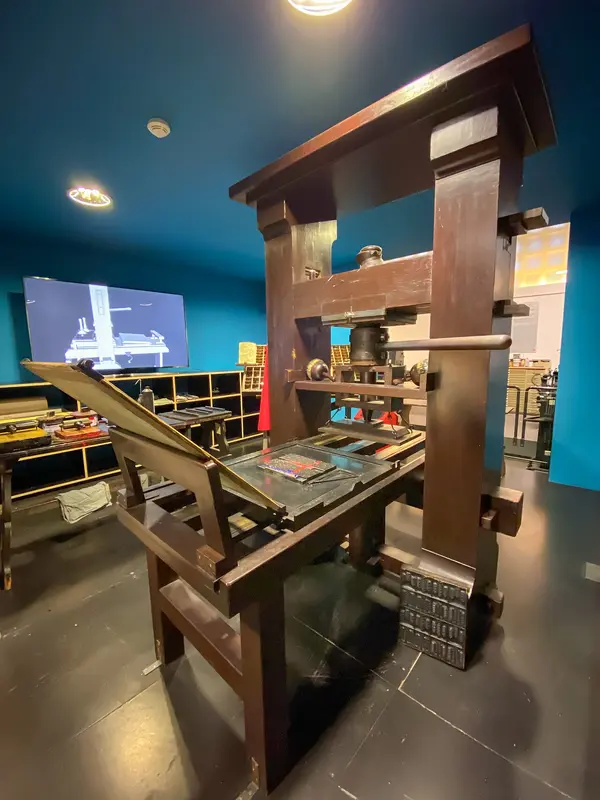
1. Incentive
One purpose of copyright is to encourage authors, artists, and publishers to invest time and money in making new work.
Systems & Society · Lesson 05
Copyright law sits at the intersection of creativity, technology, money, and power. It was built to encourage people to create and publish new work, but every era has argued about where the line should be between protecting creators and allowing the public to learn, remix, preserve, and build on culture.
Big Question
Copyright is not just about ownership. It is a system for deciding how society rewards creators while still making knowledge, art, and culture available to future generations.
Core Tension
Too little protection can make it harder for authors, musicians, and artists to earn a living. Too much protection can lock up culture, slow education, and keep old work from returning to the public.
Timeline
Copyright did not appear out of nowhere. It grew as printing, publishing, recording, film, photocopying, and the Internet made copying easier and easier. Choose a milestone to see what changed. The British starting point is followed by U.S. law; these are historical snapshots, not a calculator for individual works.
Current Law Stop
The early law protects maps, charts, and books for 14 years, renewable once if the author is still alive.
Key Ideas
One purpose of copyright is to encourage authors, artists, and publishers to invest time and money in making new work.
Society also needs readers, listeners, students, libraries, and future creators to be able to learn from existing culture.
Because copyright is meant to serve the public, it eventually expires and work enters the public domain where everyone can use it.
Important Distinctions
Courts consider four factors together; they do not count votes or use fixed weights. Read a case, then mark your interpretation of each factor. The bench summarizes your argument, not a legal verdict. Be ready to defend each choice with evidence.
Case File
A user adds text to a copyrighted movie screenshot to make a joke on social media.
Transformation Lab
Try editing this original classroom illustration. Compare a cosmetic change with using an image as evidence in criticism. A new look or message alone does not settle fair use: the particular purpose and all four factors still matter.
Right now this still looks like a straightforward copy of the original work.
Case Study
Not every artist sees copyright the same way. Some creators strongly defend exclusive control. Others see songs and stories as things that should move freely through the public. Woody Guthrie became famous for taking a much more open, almost rebellious stance toward copying and performance.
This notice flips the usual logic of copyright. Instead of threatening people for singing the song, it invites them in.
Woody Guthrie used an anti-copyright notice on his songs: This song is Copyrighted in U.S., under Seal of Copyright # 154085, for a period of 28 years, and anybody caught singin it without our permission, will be mighty good friends of ourn, cause we don't give a dern. Publish it. Write it. Sing it. Swing to it. Yodel it. We wrote it, that's all we wanted to do.
That attitude helps us see the deeper Systems & Society question: is culture something to lock down, something to license carefully, or something that becomes richer when it spreads? Copyright law answers one part of that question, but artists, audiences, and communities keep debating the rest.
Compare
Think
Use these questions to connect copyright history to the media world students live in now.
Take it into your next project
Who made it? Which version are you using? An old composition and a recent recording can have different rights.
Is it your own work, public domain, used with permission, or licensed for your intended use? Otherwise, explain your fair-use reasoning.
Save the source, creator, license, and required credit. Giving credit is good practice, but credit alone is not permission.
A classmate says, “I credited the artist and changed the colors, so I can sell it.” Explain what information is still missing. Use at least two fair-use factors.
Check your reasoning: Ask about the purpose of the sale, the original work, how much was used, and whether the new product competes with the original or its licensing market. Color changes and credit do not establish permission.
Read the evidence
This lesson focuses on U.S. copyright after its British origins. Rules differ across countries.