Genesis 10: The Table of Nations
After the flood, one family repopulates the whole earth. Genesis 10 names seventy clans descended from Noah's three sons (Shem, Ham, and Japheth), mapping every nation Israel knew back to a single common ancestor.
Genesis 10:1–32Why does the Bible include a genealogy like this?
Genesis 10 opens with a phrase that structures the whole book: "These are the generations of the sons of Noah." That phrase (toledot in Hebrew, meaning "generations" or "account") marks a new section eleven times across Genesis. This particular toledot is nicknamed the Table of Nations: a genealogy that doubles as a map of the ancient world as Israel understood it.
It isn't a modern census. Some "sons" are individuals; others are entire peoples or cities listed as if they were a single ancestor's child. The point is theological, not biological. It is a claim that was radical in the ancient world: every nation on earth, friend or enemy, shares one family tree. Neighboring origin stories often had different peoples made from different substances by different gods. Genesis says otherwise: one flood, one family, one human race.
Explore the family tree
Every nation Genesis 10 names, laid out by generation. Press a card to see where that people traditionally settled and trace its line back to Noah.
- Noah survived the flood with his wife, three sons, and their wives (Genesis 7:13).
- Japheth, north and west: Anatolia, the Aegean, and the peoples beyond the Black and Caspian seas.
- Gomer (son of Japheth): Often linked to the Cimmerians, an iron-age people north of the Black Sea and in early Cappadocia.
- Ashkenaz (son of Gomer): Associated with the Scythians; centuries later, medieval Jewish tradition reused the name "Ashkenaz" for Germany.
- Riphath (son of Gomer): An obscure line, sometimes connected to Paphlagonia in northern Anatolia.
- Togarmah (son of Gomer): Associated with Armenia, or the Anatolian region of Til-garimmu.
- Magog (son of Japheth): Linked in some traditions to peoples north of the Black and Caspian seas; paired with "Gog" in later apocalyptic passages (Ezekiel 38–39, Revelation 20).
- Madai (son of Japheth): The Medes, the people of Media, in western Iran, later partners of the Persian Empire.
- Javan (★ son of Japheth): Ionia, the Greeks. "Javan" is still the word for Greece in modern Hebrew.
- Elishah (son of Javan): Often linked to Cyprus (ancient Alashiya) or the Aegean coast.
- Tarshish (son of Javan): A famous, distant trading port (possibly Tartessus in Spain), later the destination Jonah flees toward (Jonah 1:3).
- Kittim (son of Javan): Cyprus, named for its city Kition.
- Dodanim (Rodanim) (son of Javan): Possibly the island of Rhodes.
- Tubal (son of Japheth): Associated with the Tabal region of central/eastern Anatolia.
- Meshech (son of Japheth): Associated with the Phrygians or Mushki people of Anatolia.
- Tiras (son of Japheth): Sometimes linked to early Aegean seafaring peoples or Thrace.
- Gomer (son of Japheth): Often linked to the Cimmerians, an iron-age people north of the Black Sea and in early Cappadocia.
- Ham, south and west: Egypt, Cush, Libya, and Canaan.
- Cush (son of Ham): Nubia, the upper Nile region of modern Sudan and southern Egypt.
- Seba, Havilah, Sabtah, Sabteca (son of Cush): East African and Arabian trading peoples along the Red Sea.
- Raamah (→ Sheba, Dedan) (son of Cush): Arabian trading clans; "Sheba" reappears later as the homeland of the Queen of Sheba (1 Kings 10).
- Nimrod (★ son of Cush): The first great warrior-king. Founded Babel, Erech, Accad, and Calneh in Shinar (Babylon), then built Nineveh in Assyria, territory named for Shem's son Asshur, not his own line.
- Mizraim (★ son of Ham): Egypt, literally the standard Hebrew word for Egypt used throughout the Old Testament.
- Ludim, Anamim, Lehabim, Naphtuhim (son of Mizraim): Peoples of Egypt and Libya.
- Casluhim (son of Mizraim): The text notes the Philistines came from this line, though other passages (Amos 9:7, Jeremiah 47:4) connect the Philistines to Caphtor (Crete) instead, a reminder these lists track shifting political affiliation, not simple biology.
- Pathrusim (son of Mizraim): Upper Egypt, the region of Pathros.
- Caphtorim (son of Mizraim): Crete, also named elsewhere as the Philistines' island of origin.
- Put (son of Ham): Generally identified with Libya, west of Egypt.
- Canaan (★ son of Ham): Ancestor of the Canaanite clans, the very peoples living in the land later promised to Abraham's descendants.
- Sidon (son of Canaan): Firstborn of Canaan; the great Phoenician port city.
- Heth (son of Canaan): Associated with a Hittite-related Levantine people; Abraham later buys Sarah's burial cave from "the sons of Heth" (Genesis 23).
- Jebusites, Amorites, Girgashites, Hivites, Arkites, Sinites, Arvadites, Zemarites, Hamathites (son of Canaan): Nine more Canaanite clans, including the Jebusites who hold Jerusalem until David's conquest (2 Samuel 5).
- Cush (son of Ham): Nubia, the upper Nile region of modern Sudan and southern Egypt.
- Shem, east and central: Mesopotamia and Arabia, including the line to Abraham.
- Elam (son of Shem): The Elamites, centered at Susa in southwestern Iran.
- Asshur (son of Shem): Assyria, in northern Mesopotamia, the same territory Ham's grandson Nimrod later conquers and builds Nineveh in.
- Arpachshad (★ son of Shem): Ancestor, through Shelah, of Eber, the line the rest of Genesis follows all the way to Abraham.
- Shelah → Eber (son of Arpachshad): The name "Hebrew" (ʿiḇrî) comes from Eber.
- Peleg (★ son of Arpachshad): "In his days the earth was divided." Genesis 11's dispersion account picks up Peleg's line directly and traces it to Abram.
- Joktan (son of Arpachshad): Fathered thirteen tribal groups settled across southern Arabia, including Sheba (Sabaeans) and Ophir, famed later for gold (1 Kings 9:28).
- Lud (son of Shem): Traditionally linked to Lydia in western Anatolia, though the identification is debated.
- Aram (son of Shem): The Arameans of Syria, the source of the name "Aramaic," the language Jesus spoke.
- Uz, Hul, Gether, Mash (son of Aram): Aramean/north Arabian regions; "Uz" is also named as Job's homeland (Job 1:1).
- Japheth, north and west: Anatolia, the Aegean, and the peoples beyond the Black and Caspian seas.
Press any card to read it; the ‹ › and + buttons fold branches. Dotted lines mark identifications scholars debate. Names marked ★ get a closer look below.
A schematic map: where did they go?
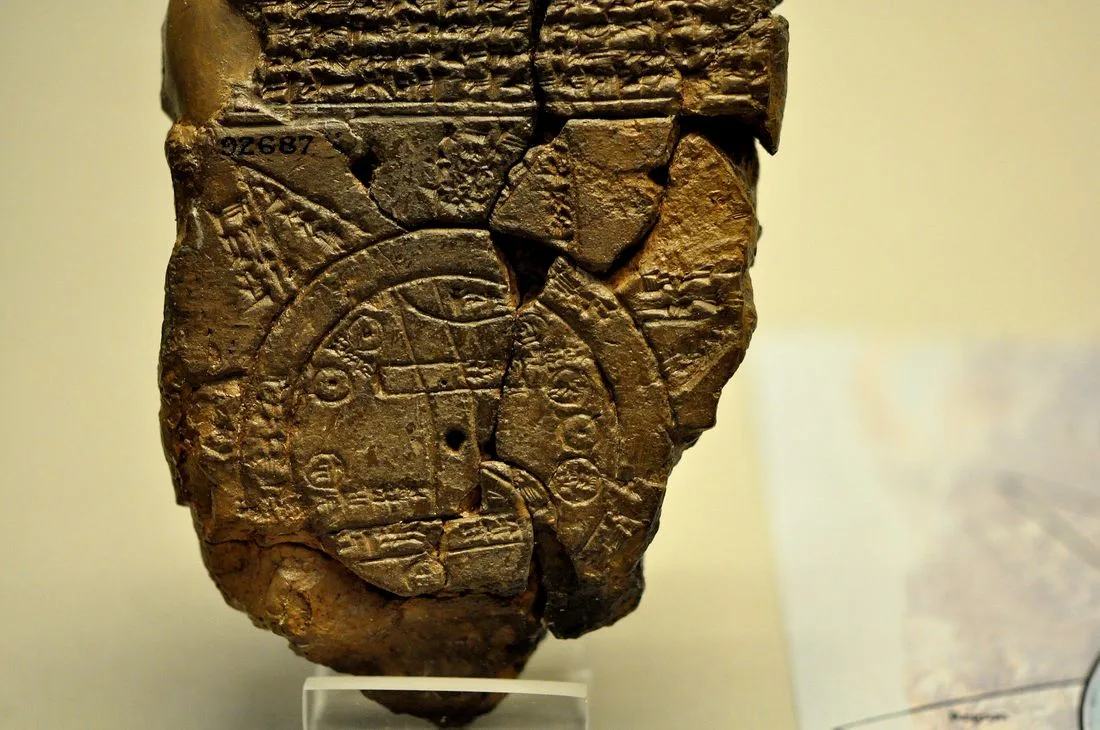
This diagram is a schematic, not a literal map. It shows the general direction each branch spread from the mountains of Ararat, where the ark came to rest (Genesis 8:4).
Noah's family disembarks
Notice Ham's arrow crossing into Mesopotamia. That's not a mistake. Genesis 10 tracks political power and settlement, not just bloodline, and it's about to matter a lot in chapter 11.
Four things worth a closer look
★ Nimrod: a Hamite king in Shem's territory
Cush is generally identified with Nubia, far up the Nile, yet his son Nimrod becomes "a mighty hunter" who builds an empire starting with Babel, Erech, Accad, and Calneh in Shinar (Babylon), then pushes into Assyria to found Nineveh (Genesis 10:8–12). That's the same territory Shem's son Asshur is named for. Genesis 10 is telling you who controls the land, not just who descended from whom, and it's dropping the word Babel right before chapter 11 tells that city's whole story.
★ Everyone already has "their own language" — before Babel
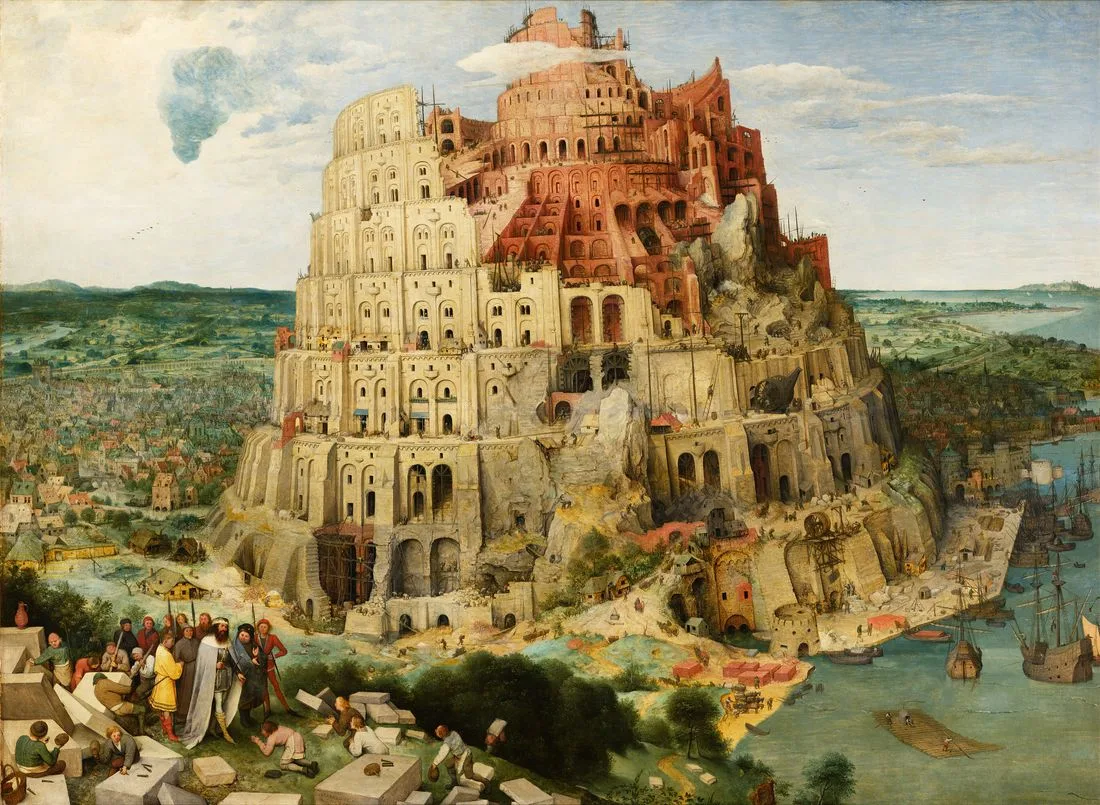
Three times this chapter says the nations spread out "each with his own language" (10:5, 10:20, 10:31), but Genesis 11 opens by saying "the whole earth had one language." Chapter 10 gives the finished picture; chapter 11 rewinds to explain how it happened. Genesis often summarizes first and flashes back second. Watch for this pattern in other places you read the book.
★ Canaan's clans: the people already living in the promised land
Canaan's eleven clans, including the Jebusites (later Jerusalem), Amorites, and Hivites, are the very peoples Abraham's descendants will encounter when they enter the land God promises them. Genesis 10 quietly sets the table for the rest of the Old Testament's central conflict.
★ Eber, Peleg, and the road to Abraham
Shem's line is traced with unusual care: Arpachshad → Shelah → Eber → Peleg. The name "Hebrew" comes from Eber. Peleg's brother Joktan fathers thirteen Arabian tribes, but the text keeps following Peleg's branch, because Genesis 11's genealogy picks up right there and walks in a straight line to Abram in Genesis 12. Of all seventy nations, the narrative camera follows one single thread.
Why seventy?
Ancient readers treated seventy as a number of completeness. The Table of Nations totals seventy clans (14 through Japheth, 30 through Ham, 26 through Shem), and that number echoes later in Scripture: Jacob's household enters Egypt as "seventy persons" (Exodus 1:5), and Jesus later sends out seventy (or seventy-two, in some manuscripts) disciples to go ahead of him (Luke 10:1), a symbolic sign that the good news is for all seventy nations, not just Israel. Genesis 10 sets up the scope of the promise God makes to Abraham just two chapters later: "in you all the families of the earth shall be blessed" (Genesis 12:3).
Reflection questions
- Why might it matter, theologically, that Genesis traces every nation on earth back to one shared family rather than giving each people group a separate origin?
- What do you make of Nimrod, a descendant of Ham, founding cities in territory later named for Shem's son Asshur? What does that tell you about what this genealogy is tracking?
- Genesis 10 says the nations already spoke different languages before Genesis 11 explains how that happened. What does that tell you about how Genesis tells stories?
- Of the seventy nations named here, the text narrows in on one branch (Shem, then Eber, then Peleg), leading to Abraham. Why do you think the story needs all seventy first?